
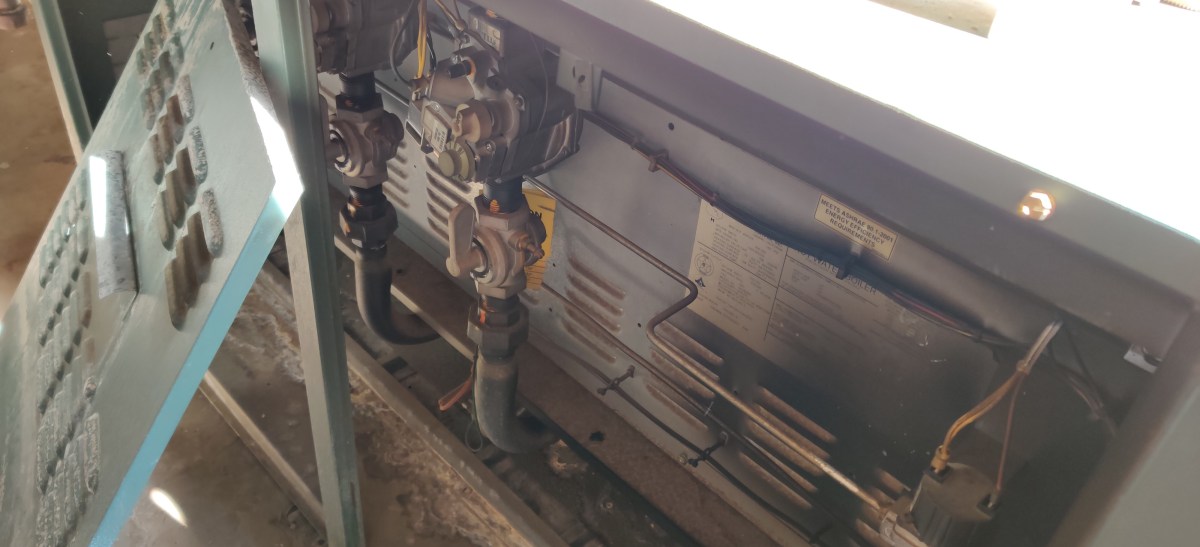
When temperatures drop, your boiler becomes one of the most important pieces of equipment in your building. Whether you manage an apartment community, commercial property, or industrial facility, routine boiler maintenance is essential to keeping your heating system operating safely, efficiently, and reliably.
Ignoring routine maintenance can lead to higher utility costs, unexpected breakdowns, costly emergency repairs, and even dangerous safety hazards.
At D.W. Plumbing, Heating & Cooling, we help property managers throughout the Phoenix Metro area keep their commercial boiler systems operating at peak performance year-round.
Why Boiler Maintenance Matters
Routine preventive maintenance offers several important benefits:
- Extends the life of your boiler
- Improves energy efficiency
- Reduces costly emergency repairs
- Helps identify problems before they become major failures
- Maintains safe operating conditions
- Minimizes downtime for tenants and occupants
- Protects your investment
Preventive maintenance almost always costs less than emergency repairs and unexpected equipment replacement.
Commercial Boiler Maintenance Checklist
1. Inspect for Water Leaks
Check around:
- Boiler connections
- Circulation pumps
- Valves
- Expansion tanks
- Relief valves
- Piping joints
Even a small leak can lead to corrosion, pressure loss, and expensive repairs if left untreated.
2. Verify Operating Pressure
Monitor the system pressure and compare it to manufacturer specifications.
Low pressure may indicate:
- Water leaks
- Faulty expansion tanks
- Air trapped in the system
High pressure could point to:
- Expansion tank failure
- Pressure reducing valve issues
- Blockages within the system
3. Check Water Temperature
Confirm the operating temperature matches the system’s design requirements.
Incorrect temperatures may indicate:
- Control failures
- Sensor problems
- Circulation issues
- Thermostat malfunctions
4. Inspect the Burner Assembly
The burner should produce a clean, stable flame.
Inspect for:
- Dirty burners
- Uneven flames
- Delayed ignition
- Excess soot
- Signs of incomplete combustion
Proper burner maintenance improves efficiency and reduces fuel consumption.
5. Clean Heat Exchanger Surfaces
Over time, soot, scale, and mineral deposits reduce heat transfer.
Cleaning the heat exchanger helps:
- Improve efficiency
- Lower operating costs
- Reduce overheating
- Extend equipment life
6. Test Safety Controls
Every commercial boiler should have functioning safety devices including:
- High-limit controls
- Low-water cutoff
- Pressure relief valve
- Flame safeguard controls
- Emergency shutdown controls
Safety devices should be tested during scheduled maintenance.
7. Check Pumps and Motors
Inspect:
- Bearings
- Couplings
- Motor amperage
- Pump seals
- Vibration
- Noise levels
Early detection of bearing wear or motor issues can prevent costly failures.
8. Inspect Expansion Tanks
Expansion tanks help maintain proper system pressure.
Verify:
- Proper air charge
- No signs of corrosion
- Secure mounting
- Proper operation
A failed expansion tank often causes pressure fluctuations throughout the system.
9. Examine Venting and Exhaust
Inspect all venting components for:
- Corrosion
- Blockages
- Loose connections
- Proper draft
- Condensation damage
Poor venting can reduce efficiency and create dangerous operating conditions.
10. Test Boiler Controls
Verify proper operation of:
- Thermostats
- Aquastats
- Control boards
- Temperature sensors
- Pressure sensors
- Sequencing controls
Modern boiler systems rely heavily on electronic controls for safe operation.
11. Inspect Insulation
Damaged insulation allows heat loss and reduces efficiency.
Look for:
- Missing insulation
- Wet insulation
- Damaged jackets
- Exposed piping
Proper insulation helps lower energy costs.
12. Check Water Quality
Poor water quality is one of the leading causes of boiler damage.
Routine testing should include:
- pH levels
- Hardness
- Conductivity
- Dissolved solids
- Oxygen levels
Proper water treatment helps prevent scaling and corrosion.
13. Inspect Gas Supply Components
Check:
- Gas piping
- Shutoff valves
- Flexible connectors
- Regulators
- Gas pressure
Any signs of leakage or corrosion should be addressed immediately by qualified technicians.
14. Verify Circulation Throughout the System
Walk the property and confirm:
- Proper heating
- Even temperatures
- No cold zones
- Proper pump operation
- Air removed from the system
Uneven heating often indicates circulation problems.
15. Review Maintenance Records
A detailed maintenance history helps identify recurring issues before they become major repairs.
Keep records of:
- Repairs
- Inspections
- Water treatment
- Parts replaced
- Operating pressures
- Temperature readings
- Annual inspections
Good documentation improves long-term equipment reliability.
How Often Should Commercial Boilers Be Serviced?
Most commercial boilers should receive:
Monthly
- Visual inspections
- Pressure checks
- Leak inspections
- Temperature verification
Quarterly
- Pump inspections
- Safety device testing
- Water treatment review
- Burner inspection
Annually
- Complete preventative maintenance
- Heat exchanger cleaning
- Combustion analysis
- Full safety inspection
- Control calibration
- Water quality testing
High-demand facilities such as apartment communities, healthcare facilities, schools, and commercial buildings may require more frequent inspections.
Warning Signs Your Boiler Needs Service
Call a qualified technician if you notice:
- Unusual noises
- Water leaks
- Rising utility bills
- Uneven heating
- Frequent lockouts
- Low system pressure
- High pressure alarms
- Burner problems
- Strange odors
- Visible corrosion
Addressing these issues early can help prevent major equipment failures.
Partner with D.W. Plumbing, Heating & Cooling
At D.W. Plumbing, Heating & Cooling, we provide professional commercial boiler maintenance, inspections, diagnostics, repairs, and preventative maintenance programs throughout the Phoenix Metro area.
Our experienced technicians help apartment communities, commercial facilities, and property managers maximize system reliability while reducing downtime and unexpected repair costs.
Whether you need annual maintenance, emergency boiler service, or a customized preventative maintenance plan, we’re here to help.
Schedule your commercial boiler maintenance today and keep your heating system operating safely, efficiently, and reliably all year long.
https://dwplumbing.com/emergency-boilers-phoenix

 Chronicles of D.W.